

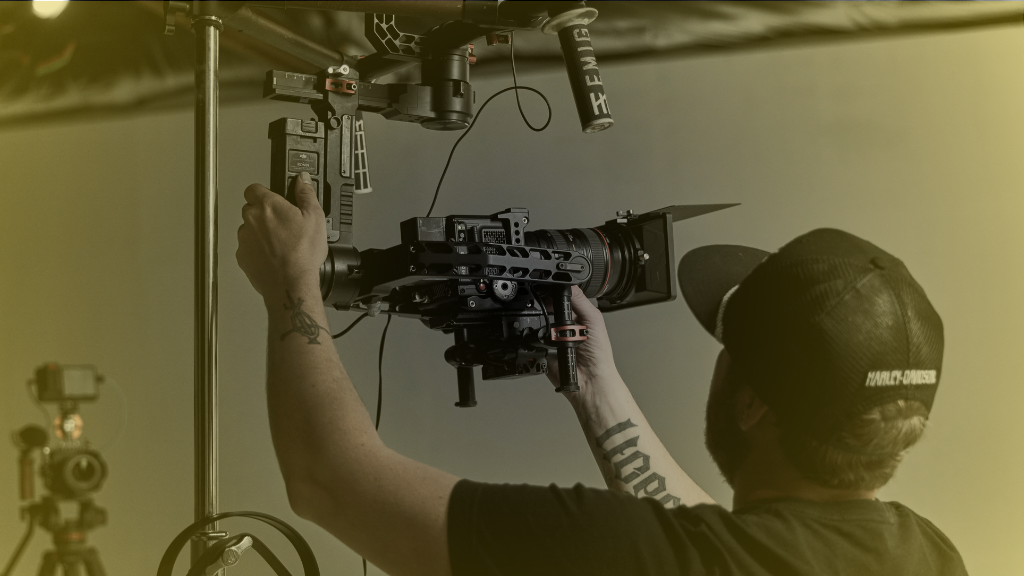
Brand photography has a way of quietly shaping how a business is perceived before a conversation ever happens.
It influences whether a website feels credible, whether a LinkedIn profile feels trustworthy, and whether a brand feels consistent across different touchpoints.
The role it plays is simple. It shows a business as it actually is, through its people, its environment and the way it works day to day.
In this blog, we’ll break down what brand photography is, how it differs from generic imagery, and how businesses can use it in a more structured and practical way.
What Is Brand Photography?
Brand photography is a set of tailored images created to represent a business in a consistent and intentional way.
It goes beyond standard photography by focusing on the real elements of a company, including its people, working environment, processes and culture.
Unlike stock imagery, which is designed to be generic and widely applicable, brand photography is specific to the business it represents. That difference matters because audiences are increasingly quick to recognise when visuals feel disconnected from reality.
When used well, it becomes a visual extension of the brand itself. It helps communicate tone, personality and credibility without needing additional explanation.
Why Brand Photography Matters For Businesses
Most people will interact with a business visually before they ever speak to it.
That might be through a website, a LinkedIn profile, or even a proposal document. In each case, the imagery used helps form an early judgment about credibility and professionalism.
Strong brand photography helps create alignment between what a business says and what it shows.
Research from Adobe suggests that consistent branding can increase revenue by up to 20%, highlighting the commercial impact of presenting a clear and recognisable brand across different channels.
In real terms, it supports:
- A more consistent presence across digital and offline channels
- A clearer sense of professionalism in first impressions
- Stronger recognition as audiences move between platforms
Rather than aiming for perfection, the focus sits on building consistency and clarity so the brand feels cohesive wherever it appears.
What Is Personal Brand Photography?
Personal brand photography focuses on the individuals behind a business, rather than the organisation as a whole. This often includes founders, senior leaders, and key team members who represent the business externally.
In B2B environments, this is particularly important. Decision-makers are more likely to engage when they can see the people behind a company, not just the services it offers.
This might include portraits in different settings, working shots at a desk or on-site, informal images in conversation, and more natural photos that show the person in context. The focus is less on one perfect headshot and more on building a set of images that gives people a rounded sense of who they are.
You’ll often see this type of photography used across LinkedIn profiles, leadership or “about” pages, and in speaking or industry content. It helps establish credibility while also making a business feel more accessible and human.
How Businesses Use Brand Photography In Practice
Brand photography is most effective when it is used across multiple touchpoints, rather than being limited to a single project or campaign. In practice, it often appears across websites, sales materials, LinkedIn content and external features such as PR or guest articles.
For example, a small consultancy might use images from the same brand photography session across its website, LinkedIn posts and proposal documents.
The images do not need to be identical, but they should feel connected. Similar lighting, setting, editing style and subject matter can help create a consistent visual identity across different materials.
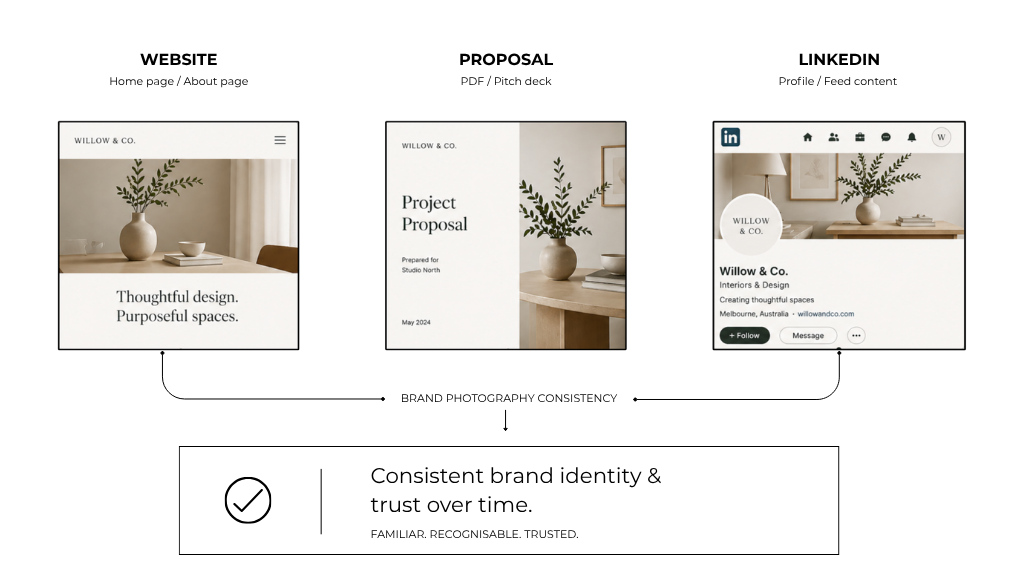
Over time, that consistency becomes familiar to prospects, making the business feel more established without needing to repeat the same message everywhere.
When these visuals work together, the overall brand experience becomes more cohesive. It helps audiences recognise the business more quickly as they move between channels.
Building A Consistent Image Bank
One of the most practical outcomes of brand photography is the creation of an image bank. An image bank is a structured library of visuals that can be used repeatedly across marketing activity.
A strong image bank typically includes:
- Leadership and team portraits in different contexts
- Natural working environments and day-to-day activity
- Service delivery or product interaction imagery
- Informal, behind-the-scenes moments that feel authentic
The value of an image bank is in its flexibility. It allows businesses to respond quickly to content needs without compromising on visual consistency.
It also ensures the same visual identity carries through a website, proposal or LinkedIn feed.
A small sample from an image bank Digiwoods built for Assenta Rail is shown below. For more on how this works, explore our B2B photography service.












Final Thoughts
Brand photography is not just about having better images. It is about giving people a clearer view of who you are, how you work and what they can expect from your business.
Used consistently across your website, LinkedIn, proposals and wider marketing, it helps your brand feel more familiar and credible over time.
For B2B businesses especially, that familiarity matters. People often want to get a sense of who is behind the business before they take the next step, and the right imagery can help make that introduction feel clearer.